

Flood monitoring
The need
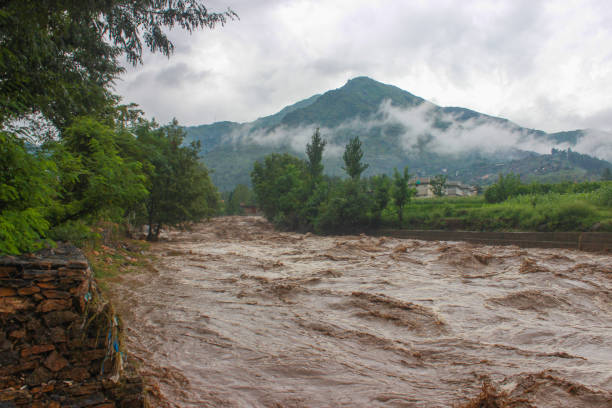
Floods represent one of the major environmental emergencies in Italy, severely affecting both inland areas along waterways and coastal zones. In recent years, the frequency and intensity of these events have increased due to climate change, with torrential rains causing rivers to overflow and soil saturation. furthermore, increasing urbanization contributes to worsening the situation by reducing the ground’s ability to absorb water and heightening the risk of flooding.
These events can have devastating consequences: destroyed roads and bridges, damaged buildings, and entire communities isolated. The economic costs of floods are high, including not only direct damages but also reconstruction expenses and losses related to the interruption of production activities. Therefore, a continuous surveillance system and timely interventions are fundamental to protect communities and mitigate damage.
The Solution
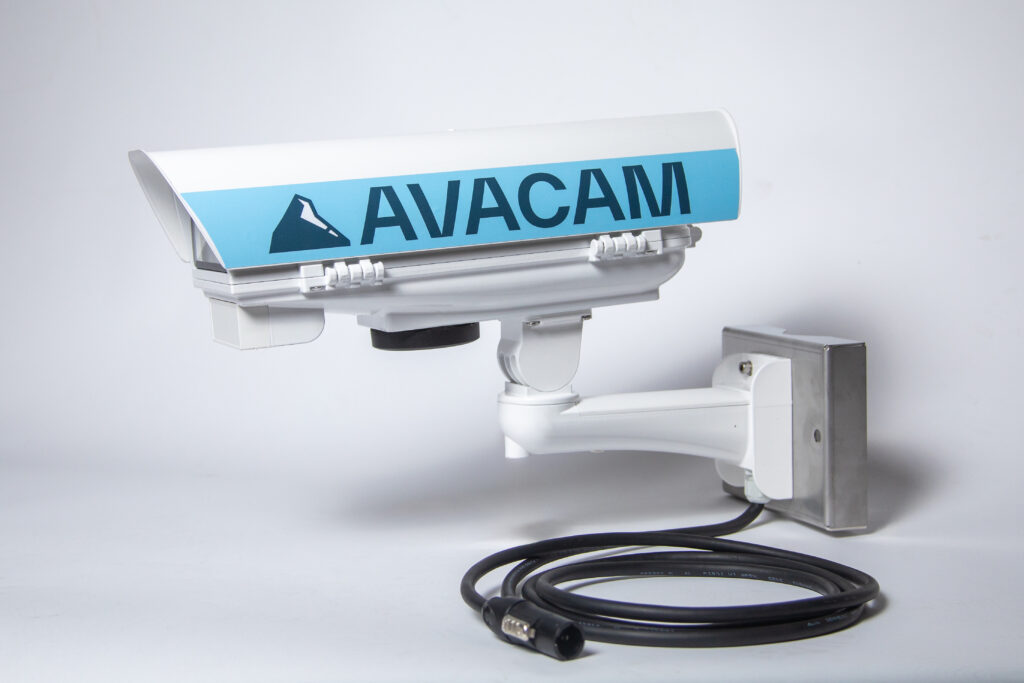
To address these issues, Avacam offers an advanced solution for real-time monitoring of flood-risk areas. The GEO T8 PhotoMonitoring devices allow for constant surveillance of water levels and ground conditions, monitoring rivers, basins, and coastlines. The high-resolution images captured by the devices are analyzed via artificial intelligence software capable of detecting sudden changes in water levels and early signs of overflowing.
In the event of imminent risk, the system compares images and sends immediate alerts to the competent authorities, enabling the rapid implementation of emergency measures such as evacuating at-risk areas and closing roads. Avacam devices, designed to withstand extreme weather conditions, ensure reliable monitoring even in environments characterized by high humidity and strong wind gusts. Thanks to the ability to detect gradual changes, the system also contributes to the planning of long-term preventive measures, improving the resilience of local communities.
This technological solution not only reduces material damage caused by floods but also preserves the ecological stability of the most vulnerable areas, making emergency management more efficient and timely.